
Introduction to Mango Sticky Rice
A beloved Thai dessert
Mango sticky rice is not just a dessert; it’s a Thai tradition that encapsulates the heart of its culinary heritage. Imagine creamy, steamed sticky rice drizzled with rich coconut milk, served alongside luscious, ripe mango slices. Each bite is a delightful dance of flavors and textures that’s incredibly satisfying and comforting.
This beloved dessert is often prepared during the mango season, which runs from April to June in Thailand. It’s no wonder this dish has gained a loyal following around the world! The combination of the subtly sweet rice and the fresh fruit creates a refreshing palate treat that’s both indulgent and light.
If you’re curious about how to make this delightful dessert, you're in luck! With just a few simple ingredients—like sticky rice, coconut milk, and fresh mango—you can recreate this iconic dish at home. For those interested in more about Thai cuisine, you can explore how traditional methods enhance flavors and textures, revealing the art behind mango sticky rice.
Whether served at festive gatherings or simply as an everyday treat, this dish is bound to bring joy to anyone who experiences it. Are you ready to dive into the sweet world of mango sticky rice? Let's get cooking!
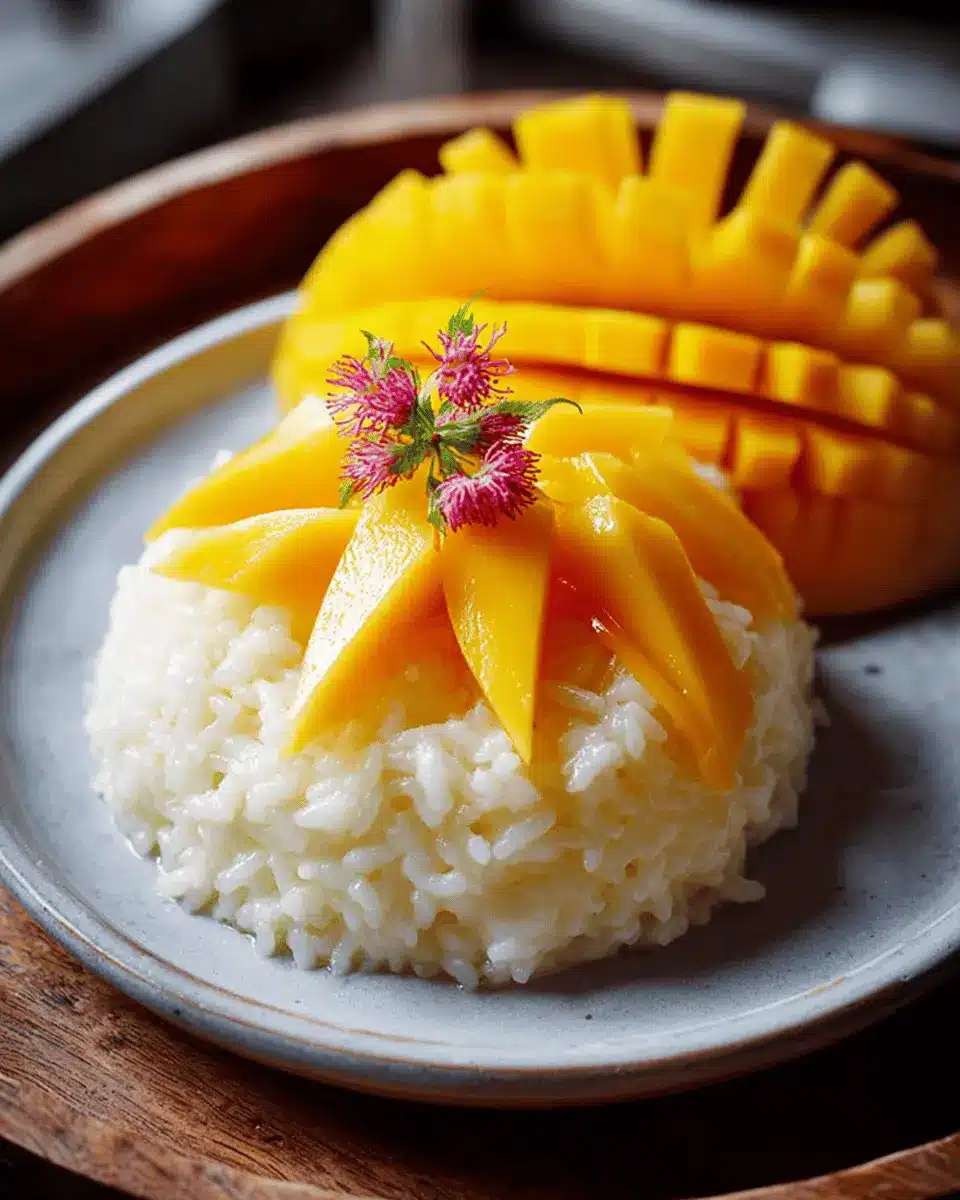
Ingredients for Mango Sticky Rice
Creating the perfect mango sticky rice involves a few essential components that harmonize beautifully together. Let’s dive into what you’ll need to make this iconic Thai dessert!
Essential components for perfecting the dish
-
Sticky Rice: The star of this dish! Use about 200 grams of quality sticky rice bio. Its unique texture when steamed makes the dessert wonderfully chewy.
-
Coconut Milk: For a rich, creamy flavor, opt for 280 ml of lait de coco de la jungle bio. The creaminess balances the sweetness of the dish.
-
Sugar: Around 80 grams of sugar enhances the overall flavor, making the dessert sweet but not overpowering.
-
Ripe Mangoes: Choose juicy ripe mangoes, which add freshness and a lovely appeal when served.
These ingredients combine to achieve that classic blend of textures and flavors, replacing mundane options with vibrant, natural alternatives to create a delightful dessert experience. So, are you ready to get cooking?
Step-by-step preparation of Mango Sticky Rice
Mango Sticky Rice is not just a dessert; it’s a delightful experience that brings the vibrant flavors of Thailand into your kitchen. Here’s how to create this delicious dish in a few simple steps.
Rinse and soak the sticky rice
Start your preparation the evening before you plan to serve this indulgent treat. Rinse 200 g of sticky rice thoroughly until the water runs clear. This step is essential—it helps remove excess starch, ensuring your rice is perfectly sticky and not overly clumpy. After rinsing, soak the rice in warm water for at least 3 hours or, ideally, overnight. This softening process is crucial for achieving that signature chewy texture.
For those looking to explore different types of sticky rice, resources like Serious Eats provide excellent insight.
Steam the rice
Once your rice has soaked, it’s time to steam it. Drain the rice and prepare a steaming basket lined with cheesecloth or a clean kitchen towel. Place the rice in the basket, spreading it evenly. Steam over boiling water for 30 minutes, covered. This method preserves the rice's moisture while allowing it to become tender and fluffy—just perfect for combining with the coconut sauce later.
Prepare the coconut sauce
While the rice steams, you can prepare the coconut sauce that binds these flavors together. In a small saucepan, combine 280 ml of coconut milk with 80 g of sugar. Heat the mixture gently over low heat, stirring constantly until the sugar completely dissolves. Avoid boiling—it’s not a race! Your goal is to create a smooth and creamy sauce that enhances the flavor of your mango sticky rice without compromising its silky consistency.
Combine the rice and sauce
After the rice has finished steaming, transfer it to a large bowl and pour about two-thirds of your delicious coconut sauce over it. Gently mix it in using a spatula or wooden spoon, being careful not to smash the rice. The key here is to evenly coat each grain while still keeping that distinct texture. Allow the mixture to sit for about 10 minutes so the rice can absorb all those wonderful flavors.
Allow the rice to absorb flavors
Finally, for the best result, let the rice rest for an additional 10 minutes. This time allows the sticky rice to take in more of the coconut sauce, developing a rich, creamy flavor that’s simply irresistible. Serve your mango sticky rice warm, adorned with juicy slices of ripe mango for a refreshing contrast. Trust us, it’s a match made in culinary heaven!
With these detailed steps, you are just moments away from enjoying a dish that evokes the essence of Thailand. To dive deeper into the cultural significance and variations of mango sticky rice, check out Chowhound for some fascinating culinary insights!
Variations on Mango Sticky Rice
Adding toppings for extra texture
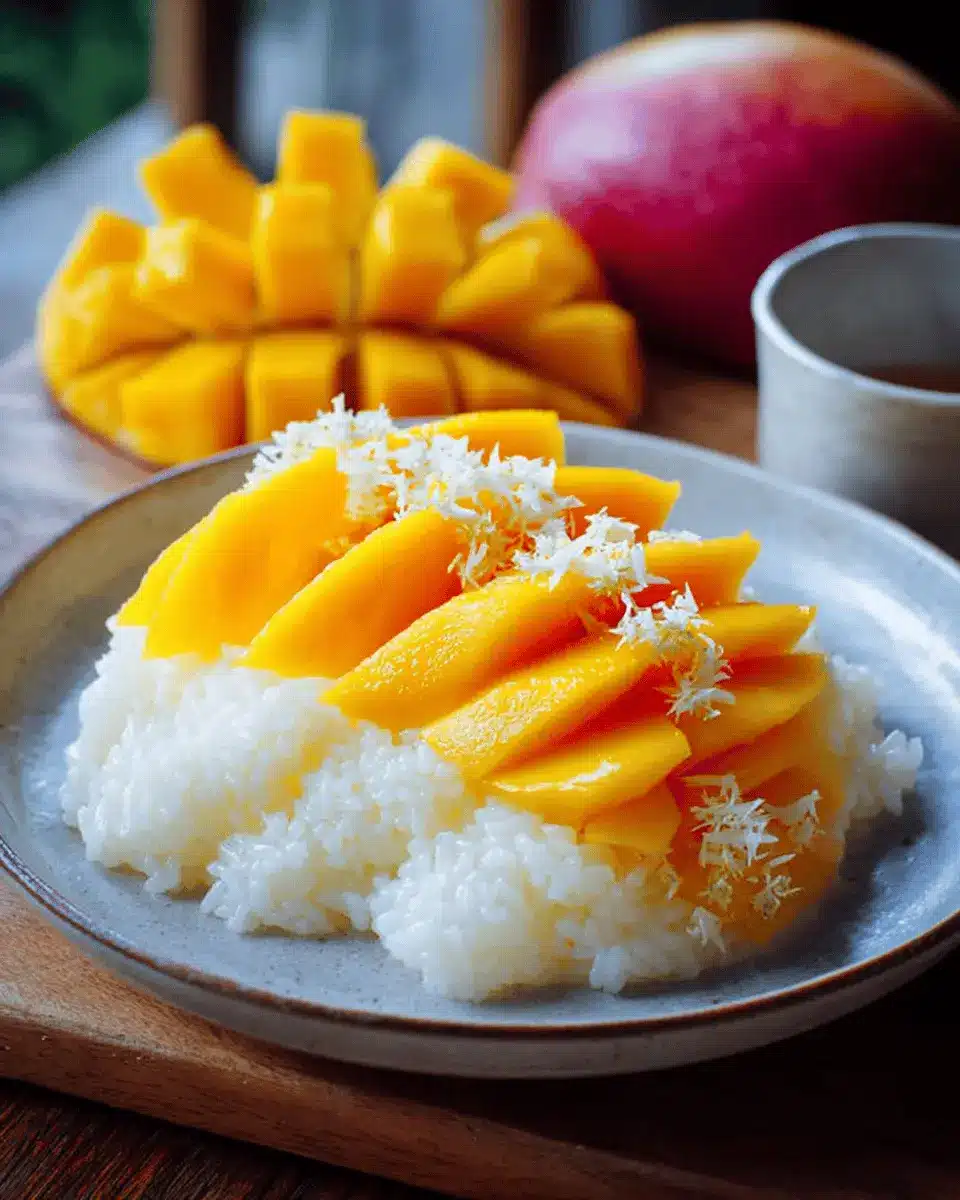
Elevate your mango sticky rice experience by incorporating various toppings. Crunchy options like toasted coconut flakes or sesame seeds add delightful textures that complement the creaminess of the coconut milk-infused rice. Drizzle some sweetened condensed milk on top for an extra indulgent touch, or sprinkle chopped nuts for added crunch. Experimenting with toppings can transform this classic dessert into a customized delight that suits your palate.
Experimenting with different fruits
While mango is the star of this dish, don’t hesitate to get creative with other fruits! Slices of ripe banana, juicy pineapple, or fresh berries can introduce new flavors and colors to your presentation. Each fruit brings its unique essence to the dish, providing a refreshing twist on the traditional recipe. Experimenting with seasonal fruits not only keeps your creation exciting but also adds a burst of nutrients. Want inspiration? Check out this tropical fruit guide for more ideas!
Cooking tips and notes for Mango Sticky Rice
Ensuring the perfect rice consistency
To achieve that delightful sticky rice texture in your mango sticky rice, soaking is key. Aim for at least three hours of soaking before cooking. Not only does this soften the rice, but it ensures that it cooks evenly during steaming. When the rice is cooked, it should be tender yet firm, not mushy. If you're looking for a more authentic texture, consider using a bamboo steamer; it adds a subtle flavor that enhances the dish.
The importance of ripe mango
Choosing the right mango can make all the difference in your mango sticky rice. Look for mangoes that are slightly soft to the touch and have vibrant skin. Varieties like Nam Dok Mai or Haden are ideal. Remember, a ripe mango is sweet and complements the creamy coconut sauce perfectly. Not sure if yours is ripe? A quick sniff can help—if it smells fragrant and sweet, you’re on the right track!
Serving suggestions for Mango Sticky Rice
Creative plating ideas
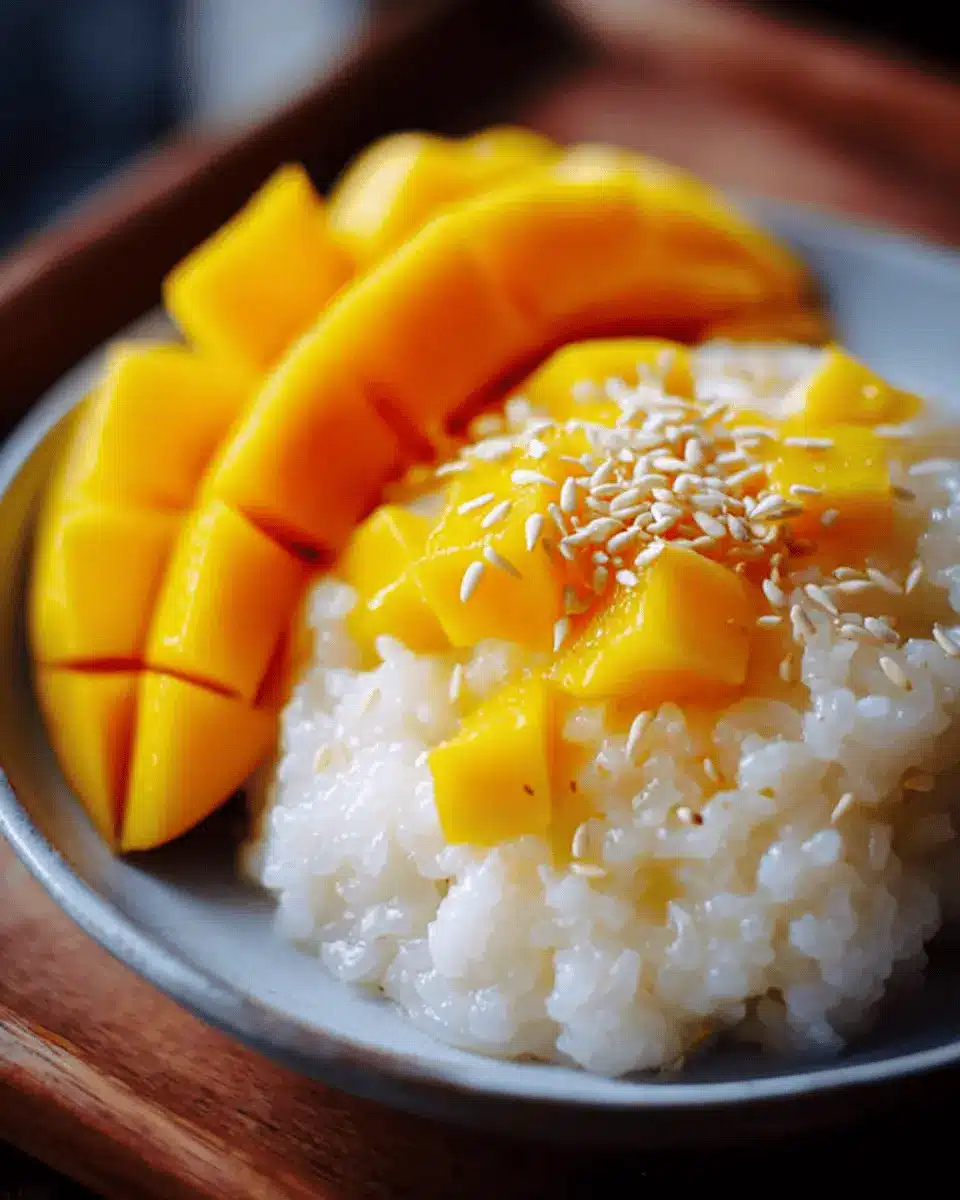
Elevate your mango sticky rice experience by playing with presentation. Consider using a shallow bowl or plate and layer the sticky rice next to elegantly sliced fresh mango. A drizzle of warm coconut sauce on top not only enhances the aesthetic but adds an extra creamy texture. For a pop of color, sprinkle some toasted sesame seeds or crushed peanuts on top. You can even arrange the mango slices to form a fan shape, adding an artistic touch that will impress your guests.
Pairing with other Thai dishes
Why not make your mango sticky rice part of a delightful Thai feast? Serve it alongside savory classics like Pad Thai or Tom Yum soup for a balanced meal that contrasts sweet and savory. Alternatively, it pairs beautifully with a refreshing Thai salad, such as Som Tum (green papaya salad), which cuts through the richness of the dessert. For more inspiration, check out authentic Thai recipes on Serious Eats to create a complete dining experience.
Time breakdown for Mango Sticky Rice
Preparation time
To kick off your adventure in making mango sticky rice, set aside 10 minutes for preparation. This includes rinsing the rice and soaking it so that it reaches its perfect sticky texture.
Cooking time
The magic happens during the cooking phase, which takes approximately 40 minutes. This includes steaming the rice until it's fluffy and infusing it with sweet coconut milk.
Total time
In just 50 minutes, you can transform simple ingredients into an unforgettable mango sticky rice. Perfect for impressing guests or enjoying a cozy night in!
Need inspiration? Check out this detailed guide on Thai desserts to explore the rich flavors of Thailand! Grab your ingredients, and let’s get cooking!
Nutritional Facts for Mango Sticky Rice
Calories per serving
Each serving of mango sticky rice contains approximately 442 calories. A delightful treat, this dessert is rich in flavor and texture, making it a satisfying choice when you're craving something sweet.
Other nutritional highlights
In addition to its calorie content, mango sticky rice offers:
- Carbohydrates: The sticky rice provides a good source of complex carbohydrates, helping to fuel your body.
- Healthy fats: The coconut milk adds a creamy richness that’s not just delicious but also contains medium-chain fatty acids.
- Vitamins: Fresh mangoes are packed with vitamins A and C, promoting eye health and boosting the immune system.
For more insights on healthy eating, consider exploring resources like the American Heart Association or Nutrition.gov to enhance your understanding of balanced nutrition that complements delightful desserts like this one!
FAQs about Mango Sticky Rice
Can I make Mango Sticky Rice ahead of time?
Absolutely! You can prepare the sticky rice in advance and store it in an airtight container in the refrigerator for up to three days. When you're ready to serve, gently reheat it and mix it with the coconut milk sauce. Just be mindful to serve it fresh with juicy mango slices for the best taste!
What alternatives can I use for coconut milk?
If you're looking for alternatives to coconut milk in your mango sticky rice, consider using almond milk or oat milk for a lighter flavor. Coconut-flavored soy milk can also be a great substitute, providing a similar creaminess while adding a unique twist.
Is there a way to make this dish healthier?
Certainly! To make mango sticky rice healthier, try reducing the sugar or replacing it with a natural sweetener like honey or maple syrup. Additionally, using brown rice can boost the fiber content. For more nutritious options, explore brands that offer organic sticky rice or check out health blogs for tips on healthier coconut milk alternatives.
If you have further questions, feel free to leave a comment!
Conclusion on Mango Sticky Rice
Making mango sticky rice at home is a delightful culinary adventure. This quintessential Thai dessert combines creamy rice and luscious mango in every bite. Plus, it's easier than you might think! Why not treat yourself and impress friends with this tropical treat? Your taste buds will thank you.
Mango sticky rice
Equipment
- Steamer
- bowl
- Saucepan
Ingredients
- 200 g Sticky rice bio
- 280 ml Coconut milk bio de la jungle
- 80 g Sugar
- Ripe mangoes
Instructions
- The day before: rinse the rice, soak it in warm water (minimum 3 hours).
- Drain the rice before cooking it for 30 minutes in a covered steamer.
- Meanwhile, heat the coconut milk and sugar in a saucepan over low heat, stirring without boiling.
- When the sugar has dissolved, pour the rice into the warm sauce. Mix and let absorb for 10 minutes. Stir gently and let rest for another 10 minutes. The rice will become sticky.
- Serve warm with slices of juicy mango.




Leave a Reply