
Introduction to Gochujang Buttered Noodles
Looking for a quick meal that packs a flavor punch? Enter Gochujang Buttered Noodles—a delightful fusion of savory and sweet that’s perfect for busy young professionals. With just a few ingredients and minimal prep, you can whip up this dish in under 30 minutes, making it a weeknight hero.
Why Gochujang Buttered Noodles are a Game Changer for Young Professionals
In today’s fast-paced world, finding the balance between health and convenience is essential. Gochujang, a Korean chili paste, is not just a trendy ingredient; it’s loaded with umami flavor that elevates any dish. Notably, it’s fermented and provides health benefits while being easy to incorporate into meals.
With its combination of buttery richness and a kick from gochujang, these noodles are incredibly satisfying. As a bonus, they’re also highly adaptable—perfect for personalizing with leftover veggies or proteins. Need a quick lunch for work? Done. Want a comforting dinner after a long day? Done.
Pair this dish with a refreshing cucumber salad or steamed broccoli for added nutrients. If you’re in the mood to explore, check out resources on Asian cuisine for tips on other ingredients to complement your meal. Dive in and discover your new go-to noodle dish!
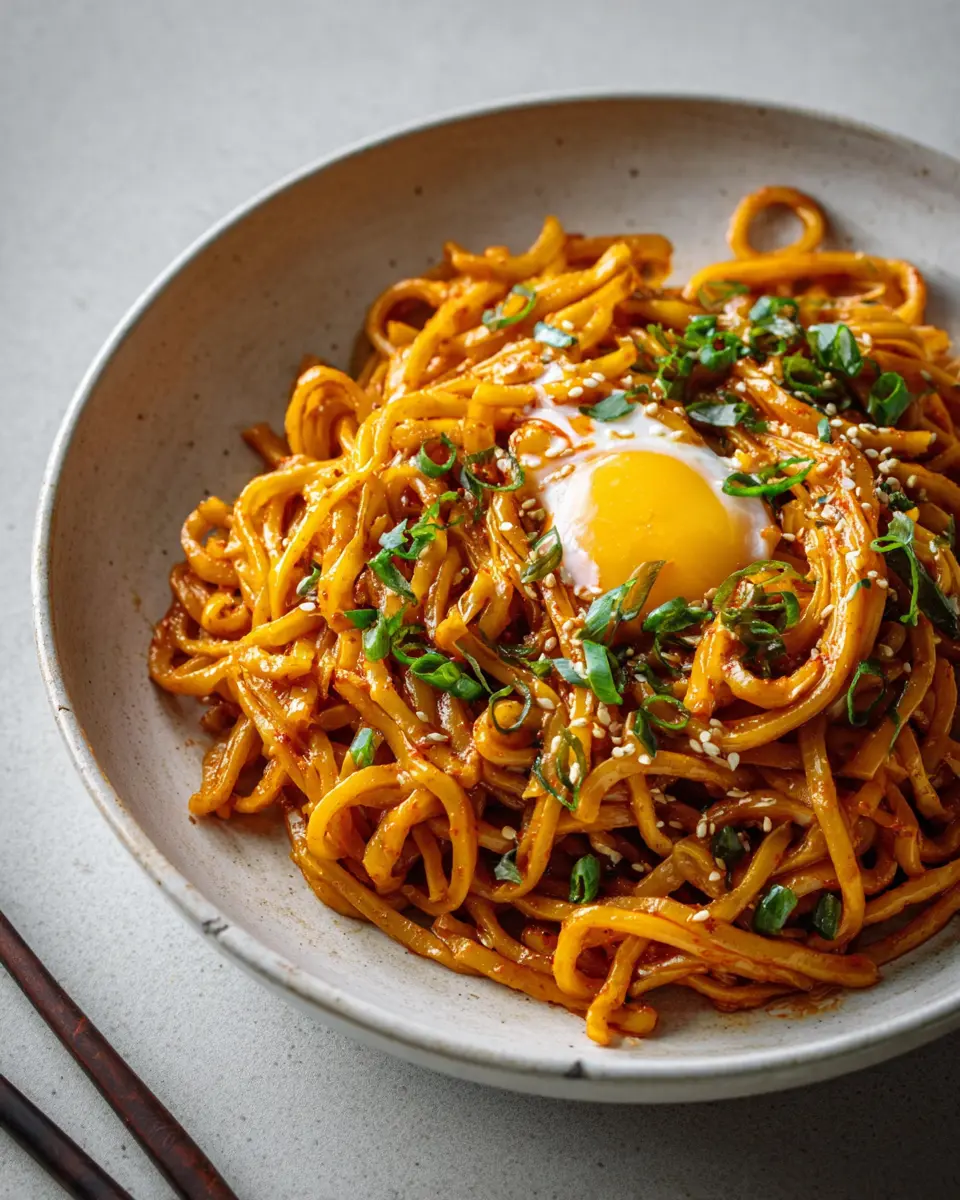
Ingredients for Gochujang Buttered Noodles
Essential ingredients for a flavorful dish
Cooking up a batch of Gochujang Buttered Noodles is a delightful experience, and gathering the right ingredients is crucial for nailing that bold flavor. Here’s what you’ll need to make this mouthwatering dish come to life:
- Spaghetti or Long Pasta: Choose a pound of your favorite long pasta; spaghetti works beautifully.
- Unsalted Butter: Six tablespoons will create a luscious base that enriches the noodles.
- Garlic: You’ll need a generous 12 cloves, finely chopped, adding that savory kick.
- Gochujang Paste: Opt for a quarter cup of this Korean chili paste (not sauce) for authentic heat and umami depth.
- Honey: A quarter cup balances the spicy gochujang with its sweetness.
- Vinegar: Choose either sherry or rice vinegar, also a quarter cup, to add a touch of acidity.
- Seasonings: Don’t forget salt and pepper for flavor enhancement.
- Fresh Herbs: Optional cilantro or scallions will brighten up your dish!
Check your pantry before heading to the store, and don’t forget to explore ingredient substitutions on necessary items!
Preparing Gochujang Buttered Noodles
Cooking can sometimes feel daunting, but fear not! Gochujang Buttered Noodles are not only delicious but also straightforward to prepare. Let’s break down the steps into manageable pieces, ensuring you can impress your friends or just enjoy a cozy meal at home.
Cooking the Pasta
First things first, you’ll want to bring a large pot of water to a vigorous boil. It’s important to salt your water generously—this is where the pasta absorbs its first layer of flavor. Once boiling, add 1 pound of spaghetti (or your preferred long pasta) and cook according to the package instructions until al dente. Remember, it’s better to check a minute or two before the time is up; you want it to have a slight bite. Once done, reserve about 1 cup of the starchy cooking water, then drain the spaghetti and return it to the pot. This is a crucial step, as that reserved water will be a lifesaver in the next stages!
Making the Gochujang Butter Sauce
While your pasta is boiling, let’s multitask and whip up that flavorful Gochujang Butter sauce. In a skillet over medium-low heat, melt 4 tablespoons of unsalted butter. Once melted, add about 12 finely chopped garlic cloves. Yes, that might sound like a lot, but garlic brings a beautiful depth of flavor that complements gochujang perfectly. Season generously with salt and sauté until the garlic is softened but not caramelized—this typically takes about 1 to 3 minutes.
Now, stir in ¼ cup of gochujang paste, ¼ cup of honey, and ¼ cup of either sherry vinegar or rice vinegar. Bring this mixture to a simmer over medium-high heat. You’re looking for it to reduce significantly—about 3 to 4 minutes should do the trick. When you pull a spatula across the bottom of the pan and it leaves a trail for about 3 seconds, you know it’s ready to go!
Combining the Noodles and Sauce
With the sauce ready, it’s time to combine everything! Pour the sauce into the pot with your drained spaghetti and toss in those last 2 tablespoons of butter. Give it a good stir to combine, allowing the butter to melt and the flavors to marry perfectly. If it looks a bit thick, don’t stress! Just add splashes of that reserved pasta water until you hit the desired consistency. A little goes a long way.
Final Touches and Serving
To elevate your Gochujang Buttered Noodles, now comes the fun part: the finishing touches. Taste your creation and add salt and pepper as needed. If you’re feeling fancy, sprinkle some finely chopped cilantro or thinly sliced scallions on top for an extra burst of freshness.
Serve this delightful dish immediately and watch your friends' eyes widen with delight. There you have it—a comforting bowl of Gochujang Buttered Noodles that’s sure to become a regular in your weeknight rotation!
For more tips and tricks on cooking pasta perfectly, check out this pasta cooking guide. Happy cooking!
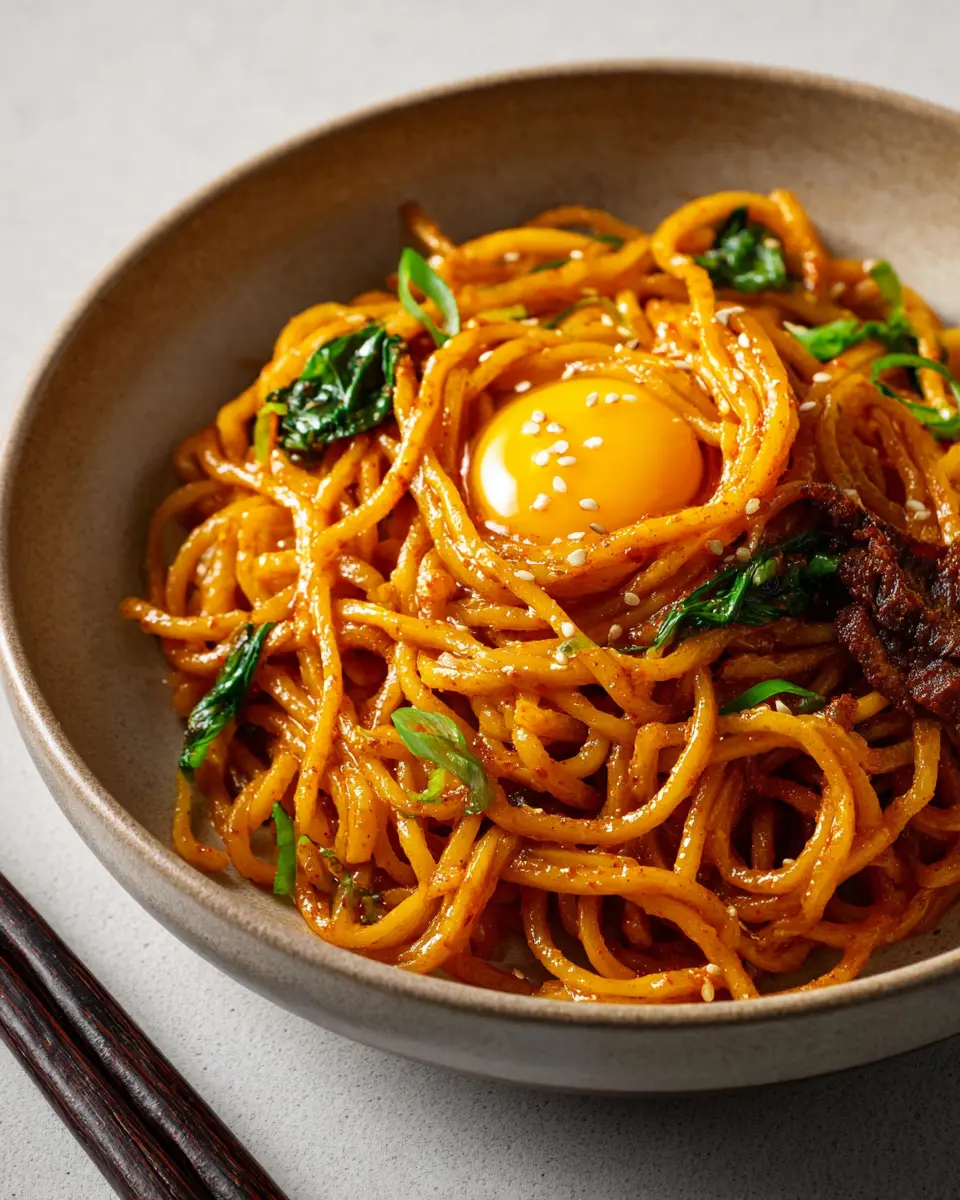
Variations on Gochujang Buttered Noodles
Gochujang Buttered Noodles with Vegetables
For a delightful twist, try incorporating seasonal vegetables into your Gochujang Buttered Noodles. Broccoli, bell peppers, and snap peas not only add vibrant colors but also boost nutrition. Sauté the veggies alongside the garlic for a few minutes before adding the sauce. This way, you’ll enjoy a delicious medley of flavors that pair beautifully with the rich, spicy sauce. It’s an excellent way to sneak in some greens!
Spicy Gochujang Buttered Ramen
Craving something more indulgent? Transform this dish into Spicy Gochujang Buttered Ramen by swapping out spaghetti for ramen noodles. Prepare the noodles as directed, then mix them with the flavorful gochujang sauce. Add a soft-boiled egg for that authentic ramen experience, or top with crispy seaweed for an additional crunch. This hearty version is perfect for cozy nights in!
For more fusion ideas, check out this vegetable noodle guide.
Cooking Tips for Gochujang Buttered Noodles
Ensuring the Right Consistency
To achieve the perfect texture in your Gochujang Buttered Noodles, adjusting the sauce's thickness is key. Start by gradually adding reserved pasta water after combining the sauce with the noodles. This not only helps to thin the sauce but also allows it to cling better, making each bite as flavorful as possible. If you prefer a saucier dish, don’t hesitate to add more water until you reach that desired consistency.
Experimenting with Flavors
Feel free to customize your Gochujang Buttered Noodles! Consider adding vegetables like sautéed bok choy or snap peas for a nutritious boost. For extra protein, try tossing in some grilled chicken, shrimp, or even tofu. Don’t forget to play around with toppings; a sprinkle of crushed peanuts or a drizzle of sesame oil can elevate your creation. Discover more ways to enhance your dishes with helpful tips from sources like Serious Eats. Enjoy the process and let your taste buds guide your culinary adventure!
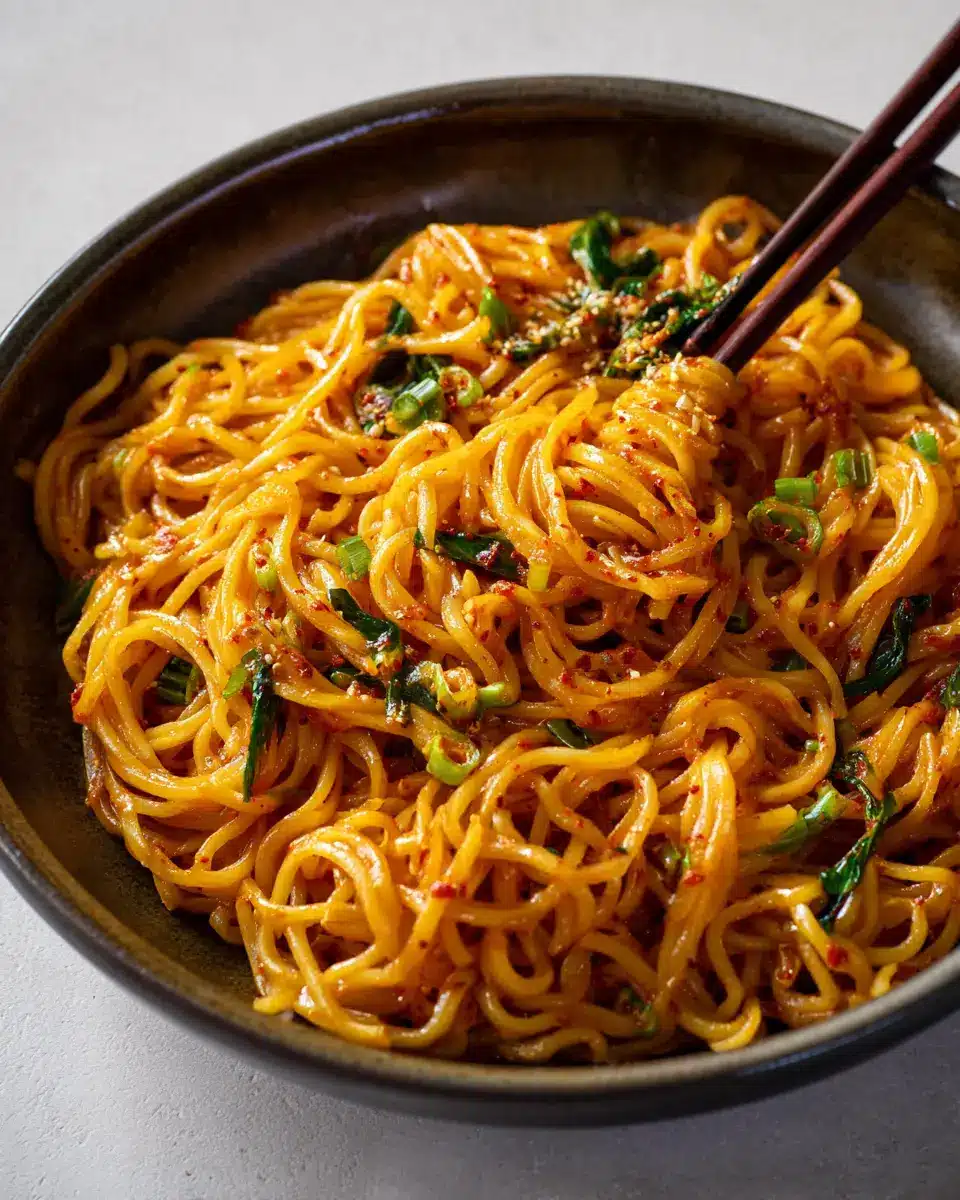
Serving Suggestions for Gochujang Buttered Noodles
Complementary Dishes
When crafting a meal around Gochujang Buttered Noodles, think about dishes that complement its rich, spicy flavors. For a vibrant contrast, serve these noodles alongside a refreshing cucumber salad or steamed bok choy sprinkled with sesame seeds. If you're in the mood for protein, grilled chicken thighs or marinated turkey bacon can elevate the meal while maintaining harmony with the sweet and spicy notes of the noodles.
Ideal Pairings
Pairing beverages with your Gochujang Buttered Noodles can enhance the dining experience. Consider non-alcoholic options like chilled green tea or refreshing lemon-infused sparkling water, both of which can cleanse the palate beautifully. If you're thinking of a side dish, crispy tempura vegetables provide a delightful crunch and additional flavor to complement the meal’s overall experience. For even more inspiration, explore these side dish ideas. Enjoy your culinary journey!
Time Breakdown for Gochujang Buttered Noodles
Preparation Time
Expect to spend about 10 minutes preparing your ingredients. This includes chopping the garlic and measuring out your gochujang and other essentials. Having everything ready will streamline your cooking process!
Cooking Time
The actual cooking will take 15-20 minutes, especially since you’ll be boiling the pasta while preparing the sauce. Multitasking makes this dish quick and easy!
Total Time
In total, from prep to plate, you’re looking at around 30-35 minutes. Perfect for a weeknight dinner or a cozy weekend meal with friends. Enjoy every delicious bite!
Nutritional Facts for Gochujang Buttered Noodles
Calories
In a serving of Gochujang Buttered Noodles, you can expect around 500 calories. This makes it a satisfying yet manageable meal that won't derail your daily intake.
Protein
Each dish provides approximately 12 grams of protein, primarily from the butter and any optional add-ins like chicken ham or turkey bacon.
Key Nutrients
Beyond its delicious flavor profile, these noodles are rich in key nutrients:
- Garlic: Known for its potential health benefits, including anti-inflammatory properties and boosting the immune system.
- Gochujang: Adds depth and a touch of spiciness while offering a good source of vitamins and minerals.
For more detailed nutritional information, you can explore resources from the USDA and compare it with other recipes you enjoy. Enjoy your meal guilt-free!
FAQs about Gochujang Buttered Noodles
Can I make this dish vegan?
Absolutely! To make Gochujang Buttered Noodles vegan, simply swap the unsalted butter with a plant-based butter alternative. You can also use maple syrup in place of honey for sweetness. As for the gochujang, double-check for any hidden animal products, but most brands are plant-based—just read those labels!
What are the best substitutes for gochujang?
If you can’t find gochujang, a mix of miso paste and a touch of chili powder can work as a substitute. Alternatively, you can blend sambal oelek with a little brown sugar to mimic the sweet and spicy flavors. While it might not be a perfect match, these alternatives will still deliver a deliciously spicy kick!
How can I store leftovers?
Leftover Gochujang Buttered Noodles can be stored in an airtight container in the refrigerator for up to 3 days. When reheating, add a splash of water to the pan to loosen the sauce and keep everything nice and moist. For best results, enjoy them within a couple of days for maximum freshness!
For further reading on noodle storage, you can check out the Food Safety website.
Conclusion on Gochujang Buttered Noodles
In summary, Gochujang Buttered Noodles offer a delightful fusion of flavors that's both simple and satisfying. The combination of buttery goodness and spicy gochujang creates a memorable dish for any occasion. Elevate your next meal with this easy-to-follow recipe and enjoy the tasty results! For more flavorful ideas, check out our Cooking Newsletter for fresh inspiration.
Gochujang Buttered Noodles
Equipment
- large pot
- skillet
Ingredients
- 1 pound spaghetti or other long pasta
- 6 tablespoons unsalted butter
- 12 cloves garlic, finely chopped (about ⅓ cup)
- Salt
- Pepper
- ¼ cup gochujang paste (not sauce; see Tip)
- ¼ cup honey
- ¼ cup sherry vinegar or rice vinegar
- Finely chopped cilantro or thinly sliced scallions (optional)
Instructions
- Bring a large pot of water to a boil. Add the spaghetti and cook according to package instructions. Reserve 1 cup of the cooking water. Drain the spaghetti and return to its pot.
- While the pasta cooks, melt 4 tablespoons of the butter in a skillet over medium-low. Add the garlic and season generously with salt. Cook, stirring occasionally, until the garlic starts to soften but not brown, 1 to 3 minutes.
- Stir in the gochujang, honey and vinegar, and bring to a simmer over medium-high. Cook, stirring constantly, until the mixture reduces significantly, 3 to 4 minutes; when you drag a spatula across the bottom of the pan, it should leave behind a trail that stays put for about 3 seconds. Remove from the heat.
- Transfer the sauce to the pot with the spaghetti and add the remaining 2 tablespoons butter. Vigorously stir until the butter melts. Add splashes of the pasta cooking water, as needed, to thin out the sauce. Taste and season with salt and pepper. Top with the cilantro or scallions (if using) and serve immediately.

Leave a Reply