
Introduction to Greek Meatballs
When you think of comfort food, nothing beats the allure of homemade Greek meatballs. These delightful bites, known as Keftedes, are bursting with fresh flavors from herbs like parsley and mint, combined with your choice of beef or lamb. But why bother with takeout when you can whip up a batch in your own kitchen?
Why homemade Greek meatballs are a game-changer
Making Greek meatballs at home transforms an ordinary meal into a culinary adventure. The process allows you to customize the ingredients to suit your taste—add more garlic, swap in different herbs, or adjust the seasonings. Plus, there's something uniquely satisfying about creating a dish from scratch, knowing exactly what goes into it.
Did you know that using panko breadcrumbs instead of regular ones can make your meatballs even fluffier? With just a little effort, you can have tender, juicy meatballs with a crispy exterior that are perfect for any occasion. Serve them with a refreshing tzatziki sauce or lay them out on a vibrant mezze platter; the possibilities are endless!
So, gather your ingredients and prepare to impress yourself and your guests with these authentic Greek meatballs. Let’s dive into the recipe below!
Learn more about Mediterranean cuisine here.
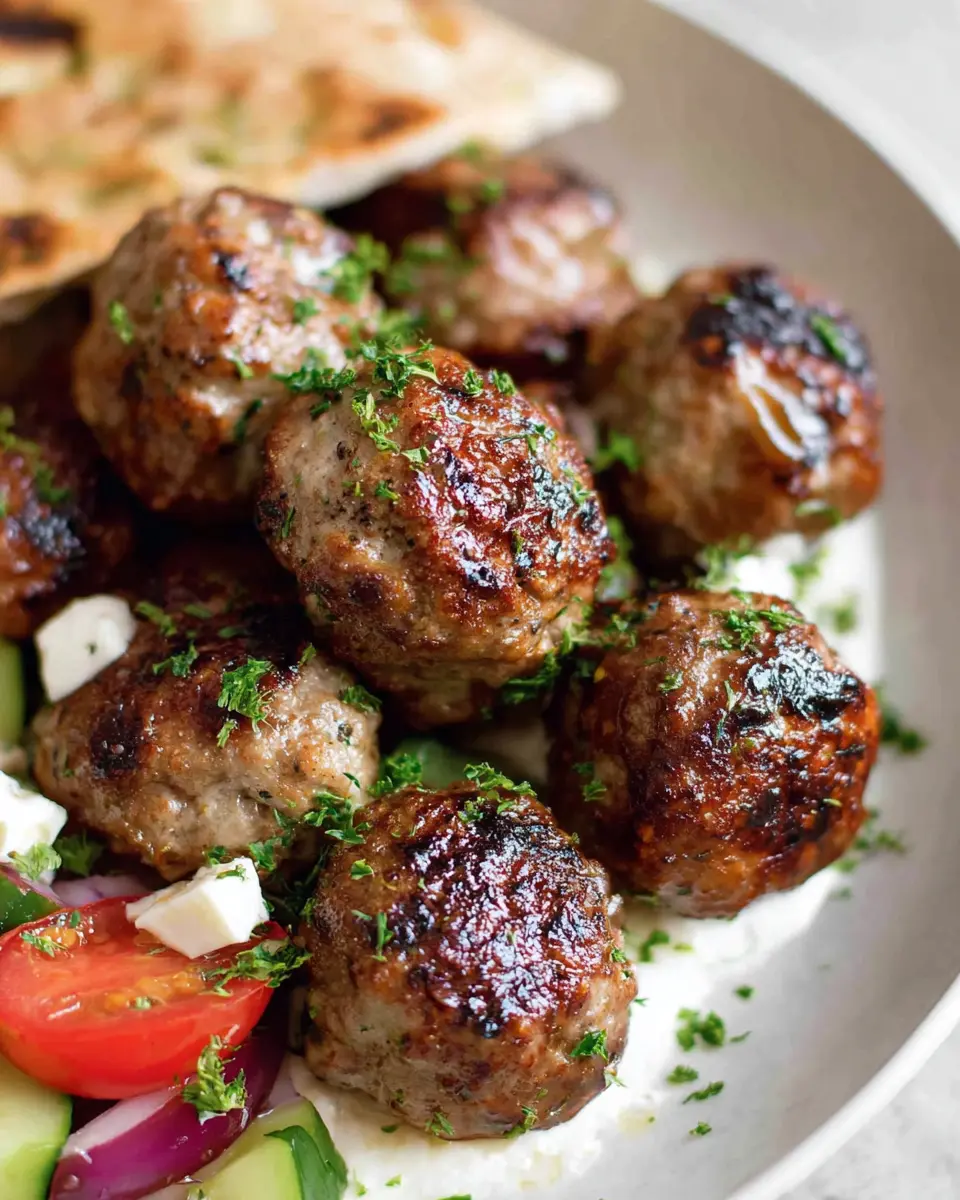
Ingredients for Greek Meatballs
Essential Ingredients for the Meatball Mixture
Creating mouthwatering Greek meatballs (or Keftedes) starts with some basic, yet flavorful ingredients. Here’s what you’ll need:
- Red onion: Grated for a juicy sweetness that blends beautifully.
- Beef mince: Using 500g (1 lb) for a hearty base; lamb is also a delicious option.
- Pork mince: Adds richness—200g (6.5oz) is ideal, but feel free to substitute more beef if you prefer.
- Garlic: Two cloves, minced, to infuse that authentic flavor.
- Panko breadcrumbs: One cup (60g) ensures a tender texture.
- Egg: Acts as a binding agent.
- Fresh herbs: A quarter cup of finely chopped parsley and six mint leaves add a refreshing touch.
- Spices: Dried oregano, salt, and black pepper elevate the flavors.
Optional Ingredients for Added Flavor
Want to take your Greek meatballs to the next level? Consider these optional ingredients:
- Extra virgin olive oil: One tablespoon in the mixture enhances moisture and taste.
- Finely chopped parsley: Great for a fresh garnish that pops.
- Tzatziki or Greek yogurt: Perfect for dipping, enhancing the dish with creaminess.
By picking and choosing from these ingredients, you can customize your Keftedes to suit your palate and impress at your next gathering! For more tips on crafting these delectable meatballs, be sure to check out My Greek Dish for additional insights.
Preparing Greek Meatballs
Creating Greek meatballs (Keftedes) is more than just following a recipe; it’s about embracing the rich flavors and traditions of Greek cuisine. Let's walk through the easy steps together and turn out a delicious batch that will impress everyone at the dinner table.
Gather and prep your ingredients
Before you dive into the mixing bowl, take a moment to gather all your ingredients. Here’s what you’ll need:
- Meat: 500g beef mince and 200g pork mince (you could also go for lamb if you prefer)
- Vegetables: 1 red onion, grated, and 2 minced garlic cloves
- Herbs and spices: Fresh parsley, mint, and dried oregano for authentic flavor
- Binder: An egg and panko breadcrumbs to hold everything together
- Seasoning: Olive oil, salt, and black pepper for enhancing taste
Having everything prepped and within reach not only saves time but makes the cooking process flow smoothly.
Combine the meatball ingredients
Now that your ingredients are ready, it’s time to mix! In a large bowl, combine the grated onion, garlic, minced meats, panko breadcrumbs, the egg, and your finely chopped herbs along with the seasoning. Don’t be shy —use your hands to combine everything until you have a homogenous mixture. This part is crucial; a well-mixed meatball ensures a beautifully consistent flavor in every bite.
Shape the meatballs efficiently
Shaping the Greek meatballs is where the fun begins! Use a tablespoon to scoop out heaped portions of the mixture, which should give you about 32 to 35 meatballs. Roll each portion into smooth balls in your hands. To make this easier (and less messy), you might want to keep a bowl of water nearby to moisten your hands. This prevents the mixture from sticking and makes the process quicker.
Perfect the cooking method
You’ve shaped your meatballs, now let’s cook them! Heat olive oil in a skillet over medium high heat—make sure there’s enough oil to cover the bottom. Dredge each meatball lightly in flour, shaking off the excess, and place them in the skillet. Cook them in batches, rolling them around until they're browning nicely, which will take about 5-6 minutes. If you’d prefer a healthier option, you can bake them at 180°C (350°F) for around 20 minutes until browned.
Serve up your delicious Greek meatballs
Once cooked, it’s time to serve! These Greek meatballs shine on a mezze platter alongside warm pita bread and homemade tzatziki. You can also create a hearty meal by pairing them with a fresh Greek salad or lemon rice.
For extra flair, consider garnishing with finely chopped parsley. And remember, these meatballs freeze beautifully, making them a fantastic option for meal prep!
By following these simple steps, you'll not only have flavorful meatballs but also a rewarding cooking experience. So roll up your sleeves, embrace the process, and bring the authentic taste of Greece to your table!
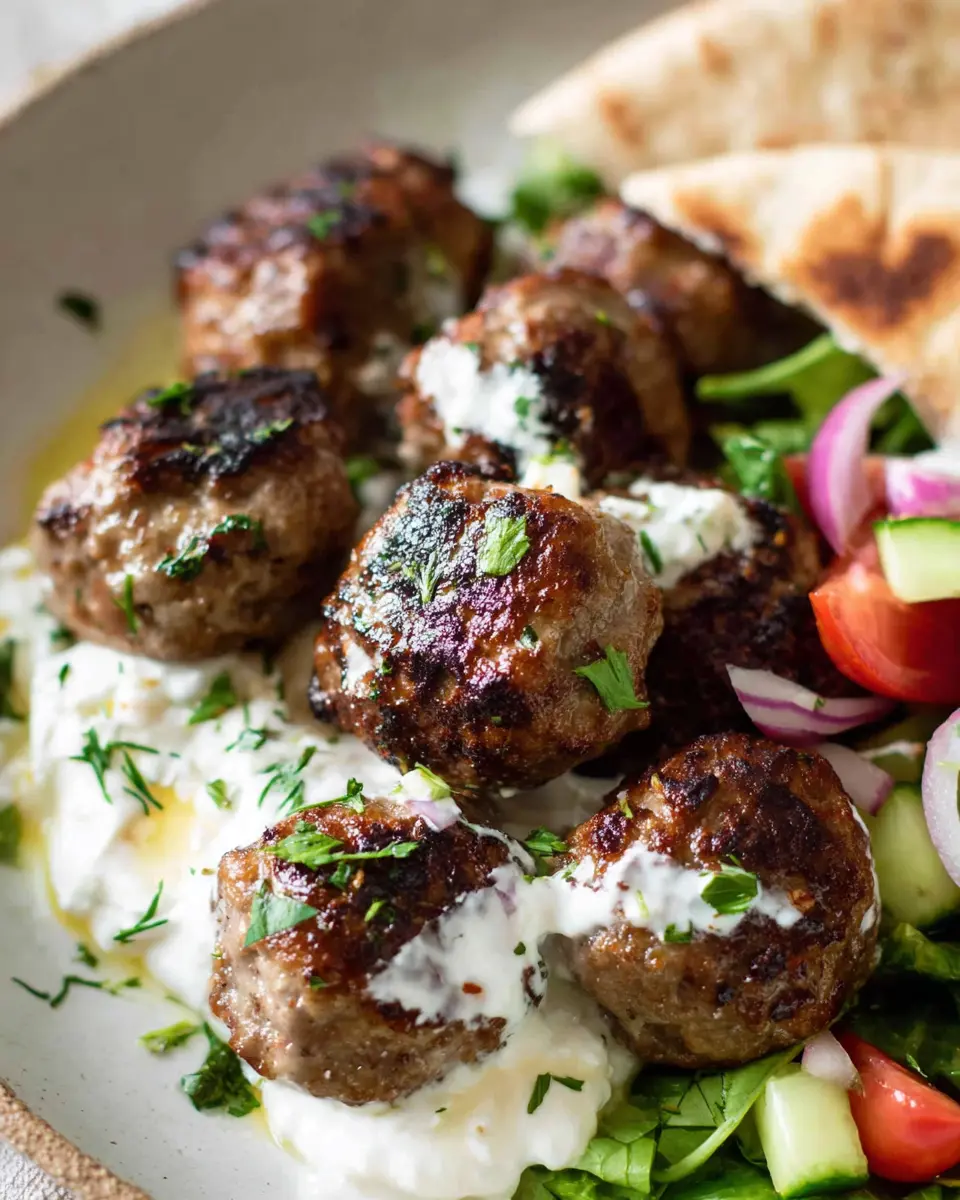
Variations on Greek Meatballs
Adding Different Herbs for Unique Flavors
While classic Greek meatballs shine with their signature herbs, experimenting can lead to delightful surprises! For a zesty twist, try adding fresh basil or cilantro. A touch of dill or tarragon can also lend an aromatic note. Remember, herbs like rosemary or thyme bring a robust flavor that can elevate your keftedes to new heights.
Making Meatballs with Alternative Meats
If you're looking for options beyond the traditional beef or lamb, consider ground turkey or chicken. Both alternatives will give you a lighter version of Greek meatballs without sacrificing flavor. For a twist, incorporate finely chopped beef bacon or chicken ham for added depth. Adjust seasoning accordingly to enhance the overall taste! Don’t hesitate to mix and match your preferred meats—your creativity is the limit!
For more ideas, check out this article on herb substitutions and explore how to use alternative meats in various recipes!
Cooking Tips and Notes for Greek Meatballs
The Benefits of Resting the Meatball Mix
Before you start cooking your Greek meatballs, consider letting the mixture rest for about an hour in the fridge. This time allows the flavors to meld beautifully and makes it easier to form perfect, round meatballs. The resting period can also help retain their shape during cooking, ensuring that every bite is juicy and flavorful.
How to Prevent Meatballs from Falling Apart
To keep your Greek meatballs intact, be sure to lightly dredge them in flour before frying. This adds a protective layer that helps them hold together. Also, avoid overcrowding the skillet; cooking in small batches ensures even cooking and prevents them from falling apart. A little patience goes a long way in achieving that perfect texture!
For more tips on crafting the ultimate meatball, check out this article on meatball techniques from Serious Eats. Happy cooking!
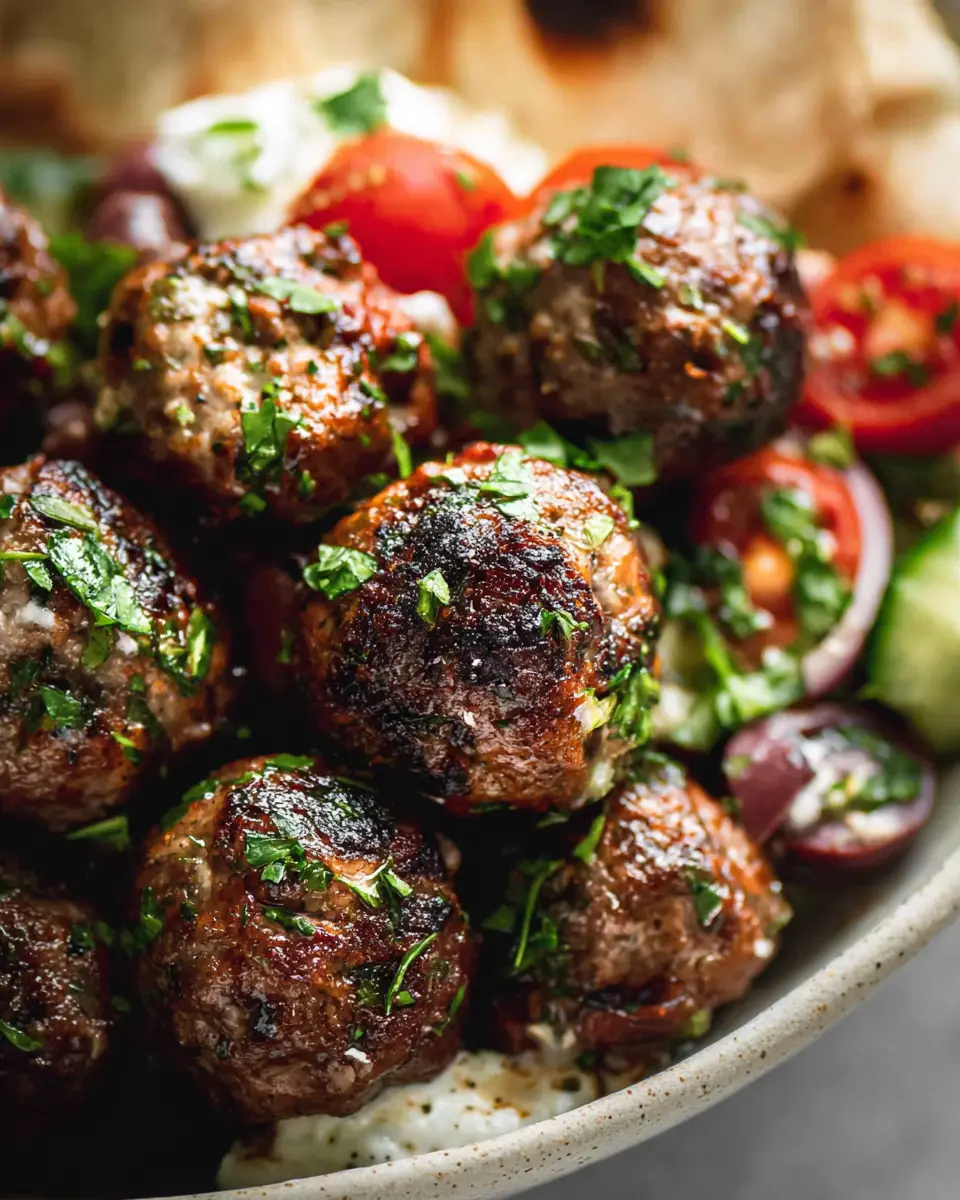
Serving Suggestions for Greek Meatballs
Enjoying Meatballs with Classic Sides
Elevate your Greek meatballs experience by pairing them with classic Mediterranean sides. Serve them alongside a refreshing Greek salad—crunchy cucumbers, ripe tomatoes, and tangy feta provide a perfect balance. For a touch of indulgence, warm up some pita bread to scoop up these flavorful bites, or dip them in creamy tzatziki for that authentic Greek flair.
Creative Serving Ideas, From Wraps to Salads
Looking to switch it up? Transform your meatballs into scrumptious wraps by layering them in flatbreads with fresh greens and sliced veggies. Alternatively, toss them into a vibrant salad with chickpeas, olives, and a zesty vinaigrette for a wholesome meal. The juicy nature of these Greek meatballs makes them a versatile ingredient, perfect for experimenting in various dishes. Whether you’re enjoying a cozy dinner at home or hosting a gathering, these ideas will surely impress! Learn more about creative meatball pairings at Martha Stewart's website/on their cooking tips page.
Time Breakdown for Greek Meatballs
Preparation Time
Getting ready to make your delicious Greek meatballs takes only 20 minutes. You’ll have everything chopped, mixed, and ready to go in no time!
Cooking Time
Cooking those tasty meatballs requires about 12 minutes on the stove. If you prefer baking, allow for 20 minutes in the oven.
Total Time
In just 32 minutes, you can have a plateful of mouthwatering Keftedes, perfect for any occasion. Ready to impress your friends or enjoy a cozy dinner? Let’s dive into the recipe!
For expert insights on cooking techniques, check out resources from The Spruce Eats for tips on meatball perfection!
Nutritional Facts for Greek Meatballs
Calories per serving
One serving of these Greek Meatballs packs about 513 calories. This figure accounts for the meatballs alone, providing a satisfying and hearty option for your meal.
Protein content
These meatballs are not just delicious; they are also a great source of protein, with approximately 36 grams per serving! Perfect for refueling after a busy day or nourishing your body after a workout.
Notes on modifying the recipe for different diets
Thinking about making some adjustments? You can easily modify the Greek Meatballs for various dietary needs:
- Gluten-free: Swap out panko breadcrumbs for gluten-free alternatives.
- Low-fat: Use lean cuts of beef or reduce the amount of olive oil in the mixture.
- Nut-free: This recipe is naturally nut-free, making it a great option for those with allergies.
Feel free to explore these modifications, and don't hesitate to get creative with flavors! For more details on adjusting recipes to meet specific dietary preferences, check out resources such as Eatright.org and Nutrition.gov.
FAQs about Greek Meatballs
What’s the best way to store leftover meatballs?
To keep your Greek meatballs delicious for later, store them in an airtight container in the fridge. They typically stay fresh for 3-4 days. Before serving, simply reheat them on the stovetop or in the oven. You can add a splash of water or broth to keep them moist and flavorful.
Can I freeze Greek meatballs?
Absolutely! These keftedes freeze exceptionally well. You can freeze them cooked or uncooked. Just place them on a baking sheet to freeze individually before transferring to a sealed bag. When you’re ready to enjoy, thaw in the fridge overnight and bake or pan-fry until heated through.
How can I adjust the recipe for dietary restrictions?
If you have dietary restrictions, don’t worry! You can easily adapt the recipe:
- Use ground turkey or chicken instead of beef and pork for a lighter option.
- Substitute gluten-free breadcrumbs for panko if gluten is a concern.
- For a dairy-free version, skip the traditional tzatziki and serve with a drizzle of olive oil or your favorite dairy-free yogurt.
For more tips on cooking for dietary needs, consider checking sites like EatingWell. Enjoy your cooking adventure!
Conclusion on Greek Meatballs
In conclusion, these Greek Meatballs (Keftedes) are not only delicious but also versatile. Whether served on a mezze platter or as part of a hearty meal, their juicy flavor and crispy texture are sure to impress. Don’t hesitate to experiment with spices and dips—enjoy this culinary journey!

Greek Meatballs (Keftedes)
Equipment
- large bowl
- skillet
- measuring cups
- measuring spoons
- grater
Ingredients
Meatballs
- 1 red onion grated
- 500 g beef mince (ground beef) or lamb
- 200 g pork mince (ground pork) or more beef
- 2 cloves garlic minced
- 1 cup panko breadcrumbs or use normal
- 1 piece egg
- ¼ cup fresh parsley finely chopped
- 6 large leaves mint finely chopped
- ½ teaspoon dried oregano
- 1 tablespoon extra virgin olive oil
- ¾ teaspoon salt
- Black pepper
Cooking / Serving
- ½ cup flour any white
- 3 tablespoon olive oil
- Finely chopped parsley optional, for garnish
- Tzatziki or Greek yoghurt
Instructions
Preparation
- Grate the onion straight into a large bowl, then add remaining Meatball ingredients. Use your hands to mix well for a few minutes until the mixture is quite smooth and very well combined.
- Optional: Refrigerate for 1 hour - makes them easier to roll + retains round shape when cooking.
- Measure out heaped tablespoons and dollop onto a work surface - should make around 32 - 35. Then roll into balls.
Cooking
- Heat most of the oil in a large skillet over medium high heat (medium if you have a strong gas stove). Use enough oil to cover the surface of the skillet.
- Cook in 2 to 3 batches: Dredge meatballs lightly in flour, shaking off excess, then place in the skillet. Roll them around and cook for 5 - 6 minutes, until nicely browned all over. Remove onto plate, cover to keep warm and repeat with remaining meatballs.
- BAKING: Alternatively, spray generously with oil (preferably olive oil) then bake at 180C/350F for 20 minutes or until browned. The pan frying method is the traditional way and the meatballs are slightly juicier.
- Serve as a starter as part of a mezze platter with pita bread and tzatziki, or make dinner plates by adding a salad like a Greek Salad!


Leave a Reply