
Introduction to Whole Wheat Bread
If you’re a young professional juggling a busy schedule, you might often find yourself searching for quick, nutritious meal options. Enter whole wheat bread—a real game changer for your daily diet. Not only does it offer a nuttier flavor and denser texture than white bread, but it also packs a nutritional punch with fiber, vitamins, and minerals that can boost your energy levels.
In an age where health and wellness matter more than ever, incorporating whole wheat bread into your meals can make a significant difference. Studies have shown that diets rich in whole grains are linked to lower risks of heart disease and other health issues. Imagine biting into a delicious slice of homemade bread, knowing it’s doing wonders for your body.
So how does making your own whole wheat bread save time and money? Besides being a satisfying weekend project, it allows you to avoid preservatives found in store-bought versions and customize it to your taste. Whether you're slathering it with almond butter for breakfast or using it for a turkey bacon sandwich, you’ll find that this bread opens up a world of possibilities for quick, healthy meals. Ready to take the plunge? Let’s dive into the recipe!
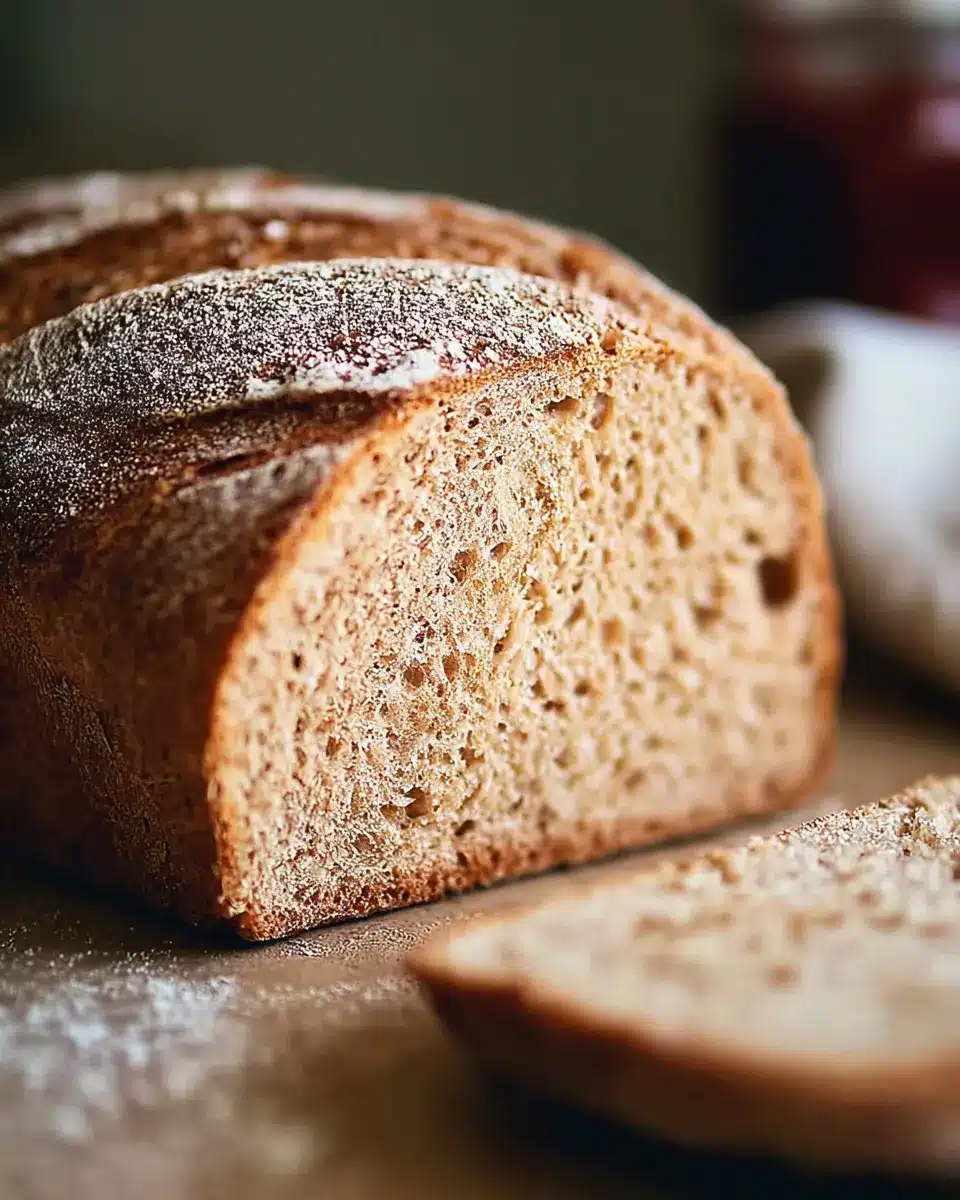
Ingredients for Whole Wheat Bread
Essential ingredients for your delicious homemade bread
When it comes to making whole wheat bread, selecting the right ingredients is key to achieving that perfect loaf with a hearty texture and rich flavor. Here’s what you’ll need:
-
Warm Milk: Start with 2 ½ cups of 2% milk, warmed up to activate the yeast. If you’re lactose intolerant, simply swap it for water.
-
Active Dry Yeast: One packet (about 3 teaspoons) will help your bread rise beautifully. Fresh yeast makes a difference!
-
Whole Wheat Flour: You’ll need 3 ⅓ cups of whole wheat flour. It's packed with nutrients and adds that wonderful nutty flavor.
-
Bread Flour: Use another 3 ⅓ cups of bread flour for that delightful elasticity and structure.
-
Kosher Salt: One tablespoon of salt enhances flavor and controls yeast activity.
-
Butter and Honey: Two elements that add richness and a hint of sweetness—2 ½ tablespoons of melted butter and honey will do wonders.
For whole wheat bread enthusiasts, these ingredients will transform simple components into a culinary delight that fills your home with warmth. Happy baking! For more tips on flour types, check out this guide.
Preparing Whole Wheat Bread
Making whole wheat bread is a rewarding endeavor, perfect for young professionals who want to impress their friends and family with homemade goodness. Follow these steps to ensure you bake the perfect loaves every time.
Get your pans ready
Start by buttering two 9x5-inch loaf pans generously, or opt for 8.5x4.5-inch pans if you desire taller loaves. This step is crucial for avoiding sticky situations when it’s time to remove the bread.
Proof the yeast for optimal rise
Now, let's make sure your yeast has the best start. Heat 2 ½ cups of milk in the microwave until it feels lukewarm—think cozy bathwater, not hot tub! Mix in the yeast and let it rest for about five minutes. You should see bubbles forming, which means your yeast is happy and ready to work.
Combine dry ingredients and melt the butter
In a large bowl, whisk together 3 ⅓ cups of whole wheat flour, 3 ⅓ cups of bread flour, and 1 tablespoon of kosher salt. Create a well in the center to make mixing easier. Meanwhile, melt 2 ½ tablespoons of butter in a small bowl and mix in the honey. Let it cool so it won’t harm our precious yeast.
Mix the dough until it's just right
Pour the yeast mixture into the flour well, followed by the butter and honey mix. Use a wooden spoon to stir until you have a shaggy dough. It’s okay if some flour remains unincorporated—this is just the beginning of your whole wheat bread adventure!
Knead the dough into a beautiful ball
This part is where the magic happens! Turn your dough out onto a floured surface and knead it for about 10 minutes. If you have a stand mixer, let it do the work for you with a dough hook for 5 to 7 minutes. The dough should be soft, pliable, and just a bit tacky—think of it as the dough version of a smooth personality.
Let the dough rise and double in size
Place your dough ball in the buttered bowl and gently cover it with plastic wrap or a dish towel. Let it rise for 45 to 60 minutes. You want it to double in size, creating a lovely airy texture in your finished bread.
Shape your loaves with care
When the dough is ready, punch it down gently and divide it into two pieces. Shape each piece into a loaf by flattening it out and rolling it up, pinching the seams. Make sure the seams go down into the pan for the best rise.
Allow the loaves to rise again
Cover the shaped loaves and let them rise for another 45 to 60 minutes. They should puff up nicely, creating that inviting and airy loaf shape.
Preheat the oven
About halfway through the second rise, preheat your oven to 375°F, ensuring a perfect baking environment.
Brush loaves and bake to golden perfection
Once risen, slash the tops of your loaves with a knife and brush them with melted butter. This will add flavor and a beautiful crust. Bake for around 40 minutes until golden brown.
Cool the loaves to maintain texture
Once baked, remove the loaves from the oven and let them cool on a wire rack. This step is essential for keeping your bread moist and avoiding sogginess.
Store carefully to keep fresh
After the loaves have fully cooled, store them in a plastic bag or cloth bag on the countertop. They’ll stay fresh for about 4 days—perfect for sandwiches or toast with Turkey Bacon!
Baking your own whole wheat bread isn't just about feeding yourself; it's about creating something delicious and wholesome to enjoy with friends and family. Happy baking!
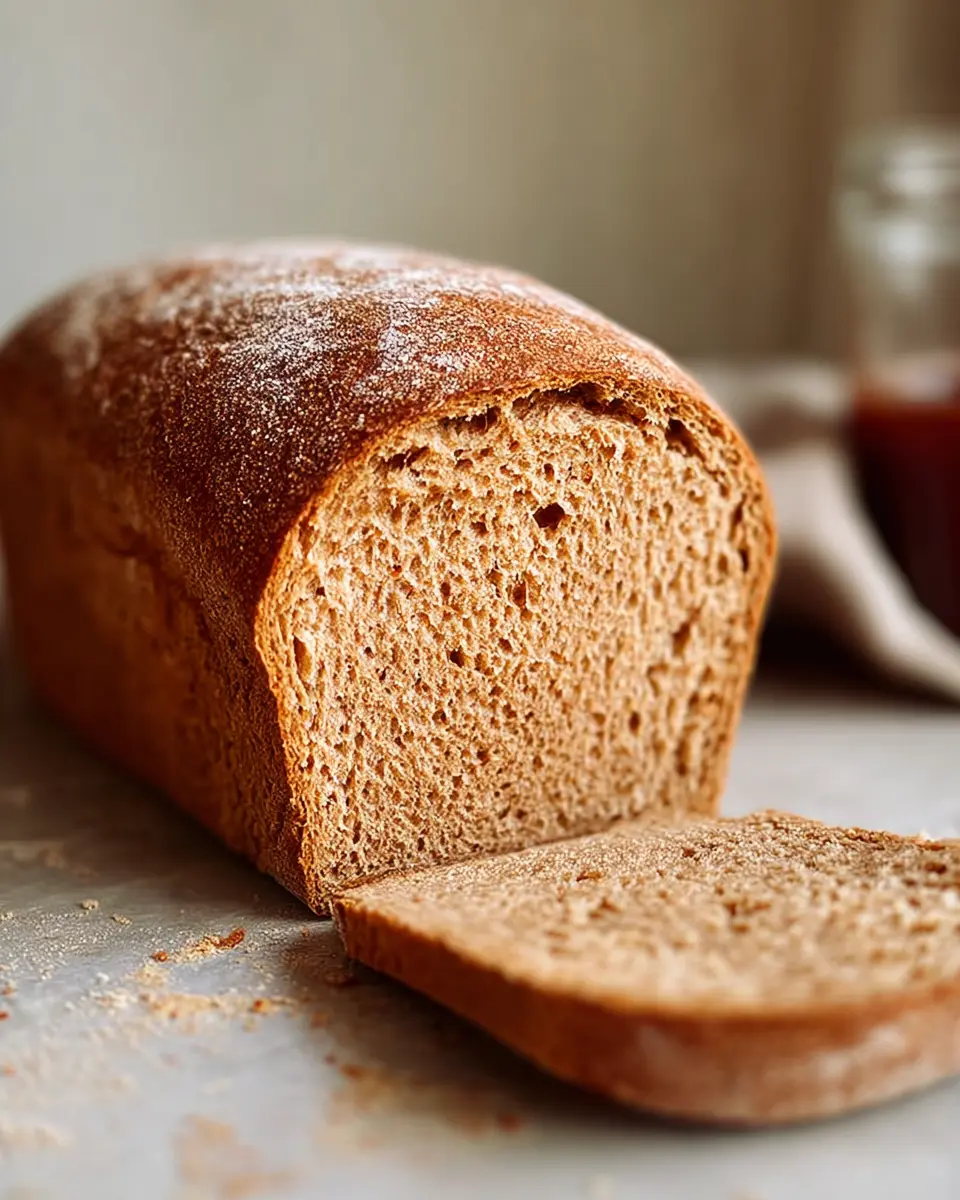
Variations on Whole Wheat Bread
Adding Nuts and Seeds for Texture
One of the easiest ways to elevate your whole wheat bread is by adding nuts and seeds. Consider incorporating walnuts, sunflower seeds, or chia seeds into your dough. They not only provide a delightful crunch but also boost the nutritional profile. For instance, a handful of oats or flaxseeds can add healthy fats and fiber, making each loaf a powerhouse of goodness. Remember, just add them gradually to avoid overwhelming the dough!
Experimenting with Herbs and Spices
Spicing things up is another fantastic way to put a twist on traditional whole wheat bread. Try mixing in dried herbs like rosemary or thyme for a savory flavor, or a touch of cinnamon for a hint of sweetness. These additions can transform a simple loaf into a delicious companion for meals or an exciting base for sandwiches. Get creative—who knew a warm slice could be so versatile? For more inspiration, check out these herb-blend tips from The Spruce Eats.
Cooking Tips for Whole Wheat Bread
Common Baking Pitfalls to Avoid
When making whole wheat bread, one common mistake is using too much flour, which can make your bread dense. It's best to add flour gradually while kneading until the dough is slightly tacky but not sticky. Also, ensure your yeast is fresh; expired yeast can result in a flat loaf. For a successful rise, don’t rush the proofing process. Patience is key!
How to Keep Your Bread Moist
To keep your whole wheat bread moist, try adding a bit of honey, as it helps retain moisture and adds a touch of sweetness. After baking, brush the loaves with melted butter for a lovely sheen and added softness. Always store the bread in a plastic or cloth bag on the countertop to maintain its freshness for days!
For more tips on baking and ingredient substitutions, check out King Arthur Baking.
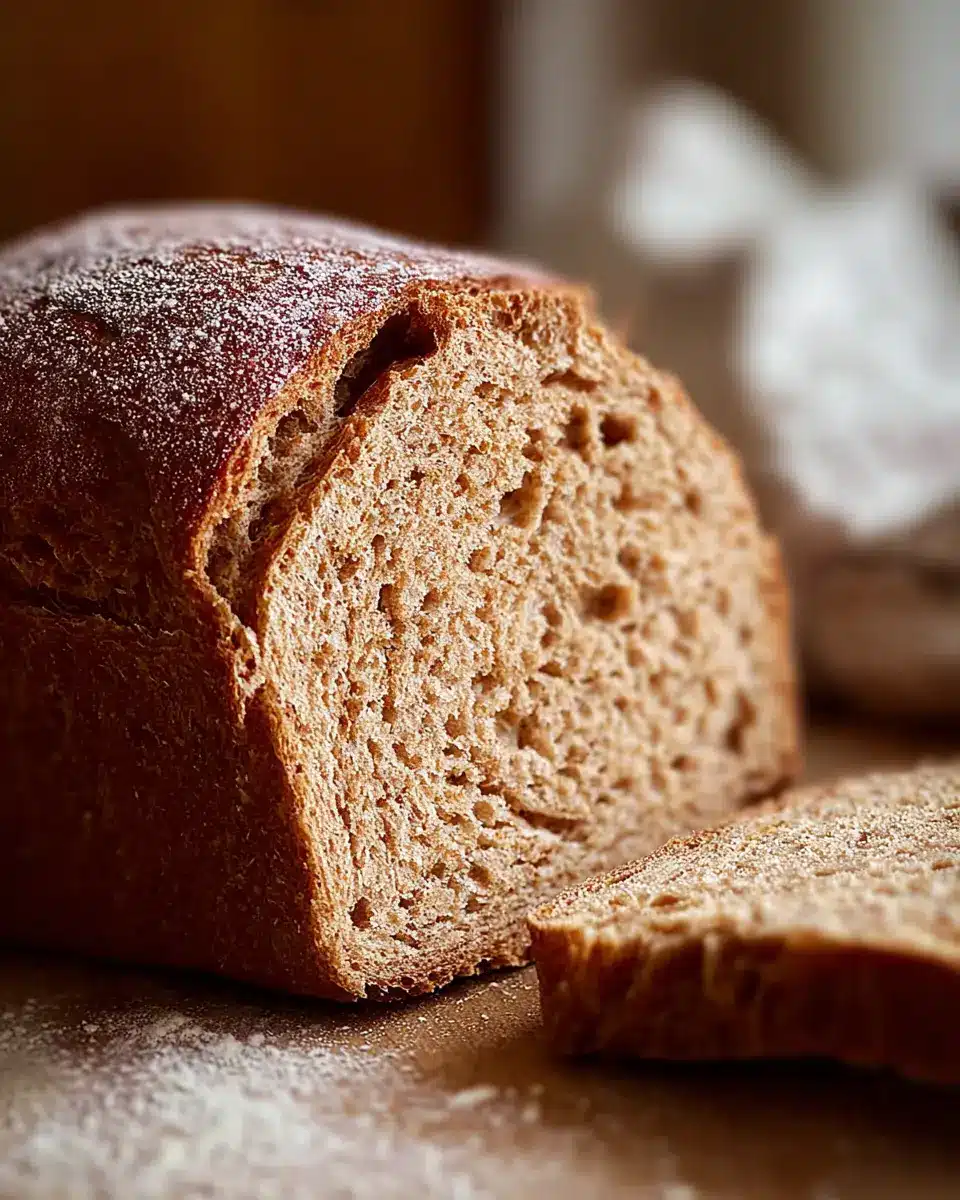
Serving Suggestions for Whole Wheat Bread
Perfect Pairings for Your Whole Wheat Bread
Whole wheat bread offers a nutty flavor that pairs beautifully with a variety of toppings. For a classic yet satisfying option, try spreading creamy almond butter or peanut butter over a slice. Add banana slices for a touch of sweetness. If you're a fan of savory flavors, consider layering Turkey Bacon and Chicken Ham for a delightful sandwich. Fresh avocado and a sprinkle of salt can elevate your toast experience too! For a refreshing drink, consider pairing it with a tall glass of iced herbal tea or a fruit-infused water.
Creative Ways to Enjoy It as a Meal
Your whole wheat bread doesn’t have to be limited to sandwiches. Use it for a hearty breakfast by making a delicious French toast; just dip slices in a mixture of eggs and cinnamon, then cook on a skillet until golden. Feeling adventurous? Try making bruschetta by topping toasted slices with diced tomatoes, basil, and a drizzle of balsamic vinegar. For lunch, a simple open-faced sandwich with hummus, grilled vegetables, and a sprinkle of feta provides a nutritious twist! The possibilities are endless.
For more ideas, check out this whole grain bread resource.
Time Breakdown for Whole Wheat Bread
Preparation Time
Getting started with your whole wheat bread is a breeze! You'll need about 20 minutes for prep work. This includes gathering ingredients, proofing the yeast, and mixing the dough. Don't worry; it’s as simple as following a checklist!
Cooking Time
Once your dough has risen beautifully, it's time to bake! The cooking time is 40 minutes in the oven. You'll love the aroma that fills your kitchen as it bakes to golden perfection.
Total Time
From start to finish, making this whole wheat bread takes approximately 2 hours and 30 minutes. This includes rising time, so you can multitask while waiting. Perfect for a cozy weekend project!
Now you’re ready to get baking! For further tips on breadmaking, check out The Perfect Loaf for more insights. Happy baking!
Nutritional Facts for Whole Wheat Bread
Calories per serving
A single serving of whole wheat bread contains about 223 calories. This makes it a nutritious option for breakfast or as part of sandwiches, keeping you fueled without going overboard on calories.
Protein content and health benefits
With 8g of protein per serving, whole wheat bread offers a satisfying source of this essential nutrient. Protein not only helps build and maintain muscle but also keeps you fuller for longer, which can be beneficial for weight management. Additionally, the fiber from whole grains supports digestive health and can help regulate blood sugar levels. For more on the benefits of whole grains, check out the Whole Grains Council’s insights here.
Whole wheat bread is more than just a tasty choice—it's a health powerhouse that fits seamlessly into a balanced diet!
FAQs about Whole Wheat Bread
How does whole wheat bread differ from white bread?
Whole wheat bread is made from whole grains, which means it retains the bran, germ, and endosperm of the wheat kernel. This leads to a richer flavor and higher nutritional value, including more fiber, vitamins, and minerals compared to white bread, which is made from refined flour that has been stripped of these elements. If you're looking to boost your health, whole wheat bread is a fantastic option! For detailed nutritional comparisons, you can check out resources like Healthline.
Can I use a bread machine for this recipe?
Absolutely! Using a bread machine can make the process even easier. Simply follow the ingredient list and add them to the machine in the order specified by the manufacturer. Most machines have settings specifically for whole wheat bread, ensuring a perfectly risen and baked loaf.
What’s the best way to store homemade bread?
To keep your homemade whole wheat bread fresh, store it in a plastic bag or a cloth bread bag at room temperature. It’s best consumed within four days, but you can freeze it if you want to save some for later. Just slice it up beforehand for easy grabbing!
Conclusion on Whole Wheat Bread
Embracing the Joy of Homemade Whole Wheat Bread
Making your own whole wheat bread is a fulfilling experience that tantalizes your taste buds and nourishes your body. With its hearty flavor and wholesome ingredients, this bread is not just a staple; it’s an investment in your home-cooked meals and healthy lifestyle. So roll up your sleeves, enjoy the process, and savor the delightful aroma filling your kitchen!
For more about home baking, explore sites like King Arthur Baking or Smitten Kitchen for inspiration!
Whole Wheat Bread
Equipment
- Loaf pans
Ingredients
- 2.5 cups warm 2% milk Substitute with water if lactose intolerant
- 1 packet active dry yeast (about 3 teaspoons)
- 3.33 cups whole wheat flour 410g
- 3.33 cups bread flour 395g, plus more for dusting
- 1 tablespoon kosher salt
- 2.5 tablespoons butter plus more for brushing loaves
- 2.5 tablespoons honey
Instructions
- Butter a large bowl and two 9x5-inch loaf pans and set aside.
- Warm the 2 ½ cups of milk in the microwave and stir in yeast; let it sit for about 5 minutes to proof.
- Whisk together whole wheat flour, bread flour, and salt in a large bowl, making a well in the center.
- Warm butter in a bowl and mix with honey; let cool.
- Pour the milk mixture into the well, add the butter and honey mix, and stir until a shaggy dough forms.
- Knead the dough on a countertop for 10 minutes or in a stand mixer for 5-7 minutes.
- Place the dough in the buttered bowl, cover, and let it rise until doubled in size, about 45-60 minutes.
- Punch down the dough, divide it in half and shape it into loaves.
- Let the loaves rise again, covered, for 45-60 minutes.
- Preheat the oven to 375°F halfway through the second rise.
- Melt additional butter for brushing the loaves.
- Slash the tops of the loaves and brush with melted butter, then bake for about 40 minutes.
- Remove from the oven and let cool on a wire rack.
- Store cooled bread in a plastic or cloth bag.




Leave a Reply